Beyond its role in food, starch is a highly advanced, renewable industrial polymer. Starch derivatives—including specifically modified starches, maltodextrins, and specialized binding agents—are critical to modern manufacturing. Berkeley Trade sources and distributes premium industrial starches derived from maize (corn), potato, wheat, and tapioca. We serve UK manufacturers who demand exacting standards for viscosity, binding strength, thermal stability, and shear resistance in their continuous production lines.
Chemical Profile & The Modification Process Native starch, in its raw form, often lacks the stability required for harsh industrial processing (it may break down under high heat or high shear). To solve this, starches are physically, enzymatically, or chemically modified.
- The Goal of Modification: Altering the starch polymer allows us to control its gelatinization temperature, increase its tolerance to pH fluctuations, improve its adhesive tack, and prevent it from retrograding (thickening uncontrollably over time).
- Properties: When hydrated and heated, these derivatives exhibit exceptional film-forming capabilities, high tensile strength, and superior biological adhesive qualities.
Deep Dive: Key UK Industrial Applications
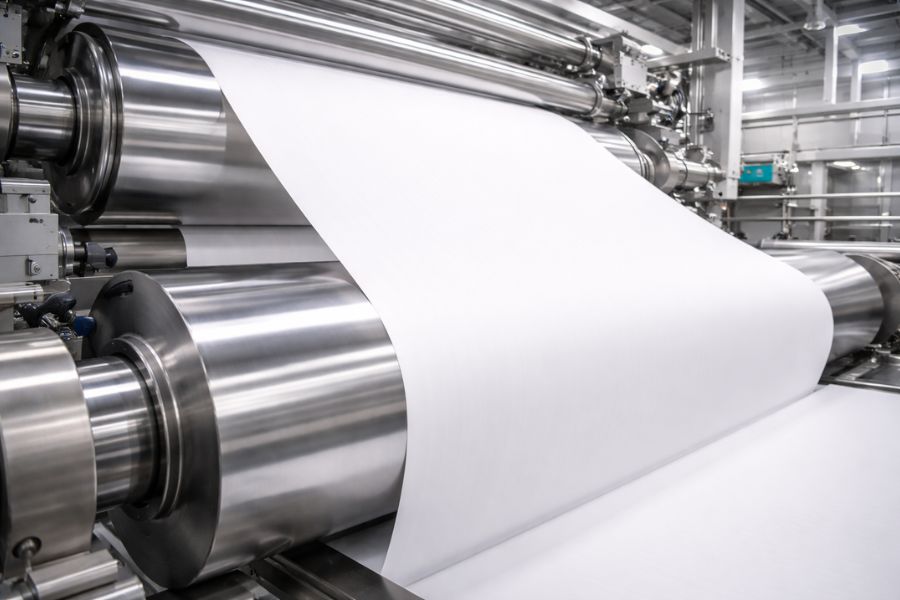
- Paper & Board Manufacturing: The paper industry is the largest non-food consumer of starch derivatives.
- Wet End Application (Cationic Starch): Added to the pulp before the paper is formed. The positive charge of the cationic starch binds tightly to the negatively charged cellulose fibers, drastically improving the internal structural strength of the paper and reducing fiber loss in the wastewater.
- Surface Sizing (Oxidized Starch): Applied to the surface of the formed paper sheet to seal the pores. This provides a smooth, hard finish essential for high-quality printing, preventing ink from bleeding into the paper.
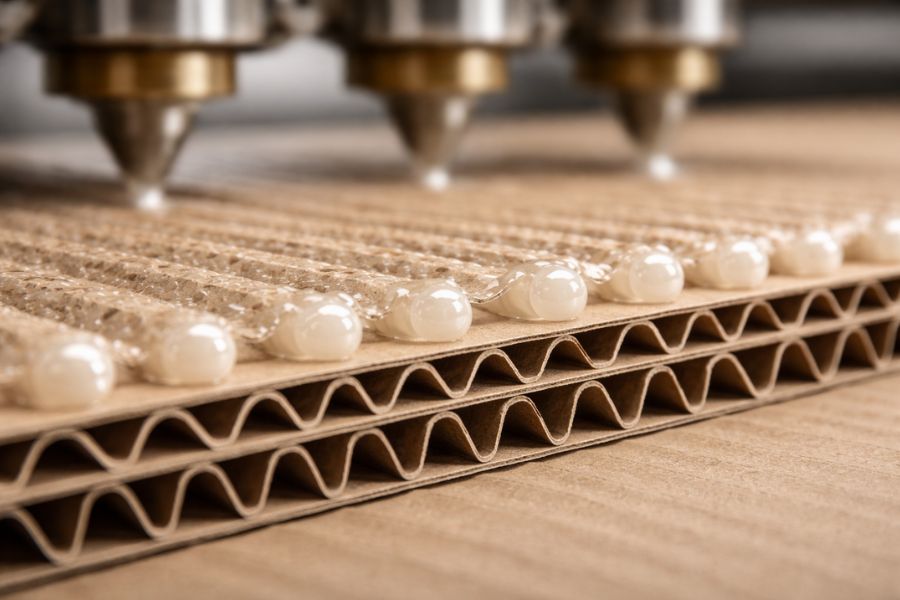
- Corrugated Packaging Adhesives: Starch-based adhesives are the gold standard for manufacturing corrugated cardboard boxes. Specially modified starches provide high-tack, rapid-drying bonds that hold the fluted inner layers to the flat outer liners, even on high-speed corrugating machines.
- Textile Sizing: Before weaving, warp yarns are subjected to immense friction and tension on commercial looms. Modified starches are applied to the yarn as a protective “size” or coating. This prevents yarn breakage, minimizes lint shedding, and is easily washed out once the fabric is woven.
- Bio-Plastics & Sustainable Packaging: As the UK moves away from petrochemical plastics, starch derivatives are increasingly utilized as bio-polymers in the development of biodegradable packaging films, compostable bags, and eco-friendly disposable goods.
- Water Treatment & Mineral Processing: Certain highly modified starches act as powerful, environmentally friendly flocculants. They are used to aggregate and separate solid mineral particles from water in mining operations and municipal wastewater treatment.
Grades and Classifications Available We supply a highly technical portfolio tailored to exact manufacturing tolerances:
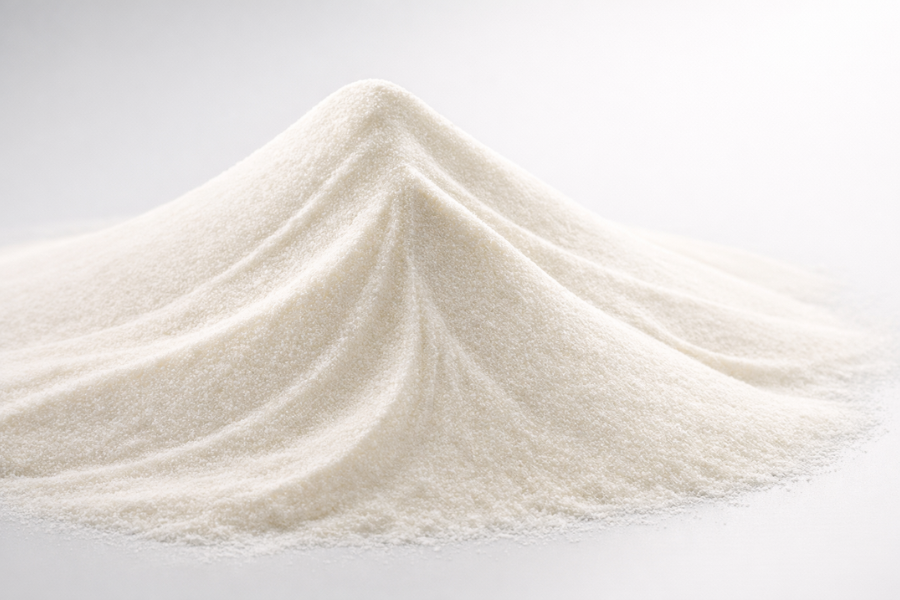
- Native Starches: Unmodified starches for basic adhesive and thickening needs.
- Cationic Starches: Positively charged for exceptional binding in paper manufacturing.
- Oxidized Starches: Chemically treated to yield a lower viscosity, perfect for high-solids surface sizing.
- Acid-Thinned Starches: Treated to reduce hot paste viscosity, ideal for textile sizing and specialized adhesives.
- Cross-Linked Starches: Engineered to withstand extreme heat, acid, and mechanical shear without breaking down.
Logistics & Delivery Modes: * 25kg multi-wall, moisture-resistant paper sacks.
- 1000kg Flexible Intermediate Bulk Containers (FIBCs).
- Dedicated dry-bulk powder tankers for automated silo transfer at major manufacturing plants.
Safety, Storage, and ATEX Compliance While biological and non-toxic, fine organic powders present specific industrial hazards.
- Storage Requirements: Must be kept strictly dry, cool, and away from direct sunlight. Exposure to moisture will cause microbial degradation, mold growth, and clumping.
- Combustible Dust Hazard: Starch dust, when suspended in the air in the right concentrations, presents a severe deflagration (explosion) hazard. UK manufacturing facilities handling bulk dry starch must utilize ATEX-rated extraction, ventilation, and spark-prevention systems to prevent dust accumulation.